

Research interests
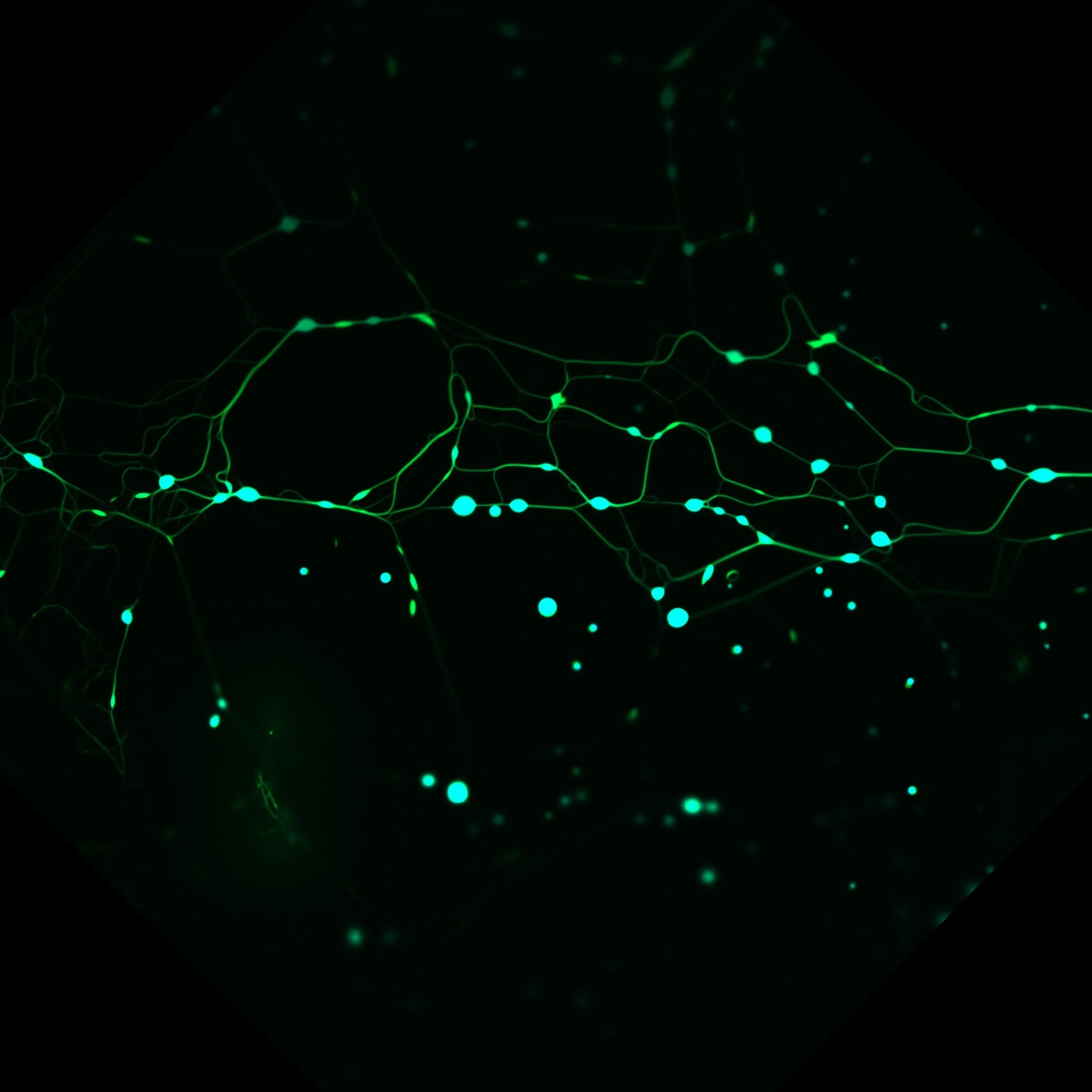
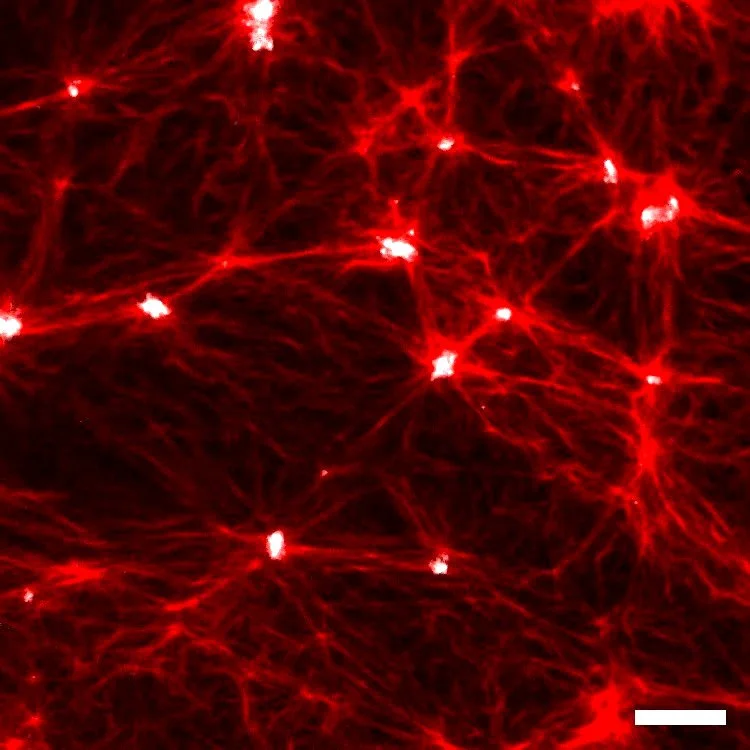
Actin is an important structural material in cells. Actin filaments, together with protein cross-linkers, self-assemble into various microstructures which support distinct physiological functions. Recently, we are developing programmable cross-linkers, using DNA and protein binding domains, to investigate the role of cross-linker properties in regulating actin network microstructure and contractility.
Feigeles et al., on bioRxiv (2026) https://doi.org/10.64898/2026.10.02.756345
Stam et al., JoVE (221), e68127 (2025) link
Stam et al., on bioRxiv (2025); https://doi.org/10.1101/2023.05.15.540780
Weirich et al., Biophys. J., 120 (10): 1957-1970 (2021) link
Regulation of network contractility
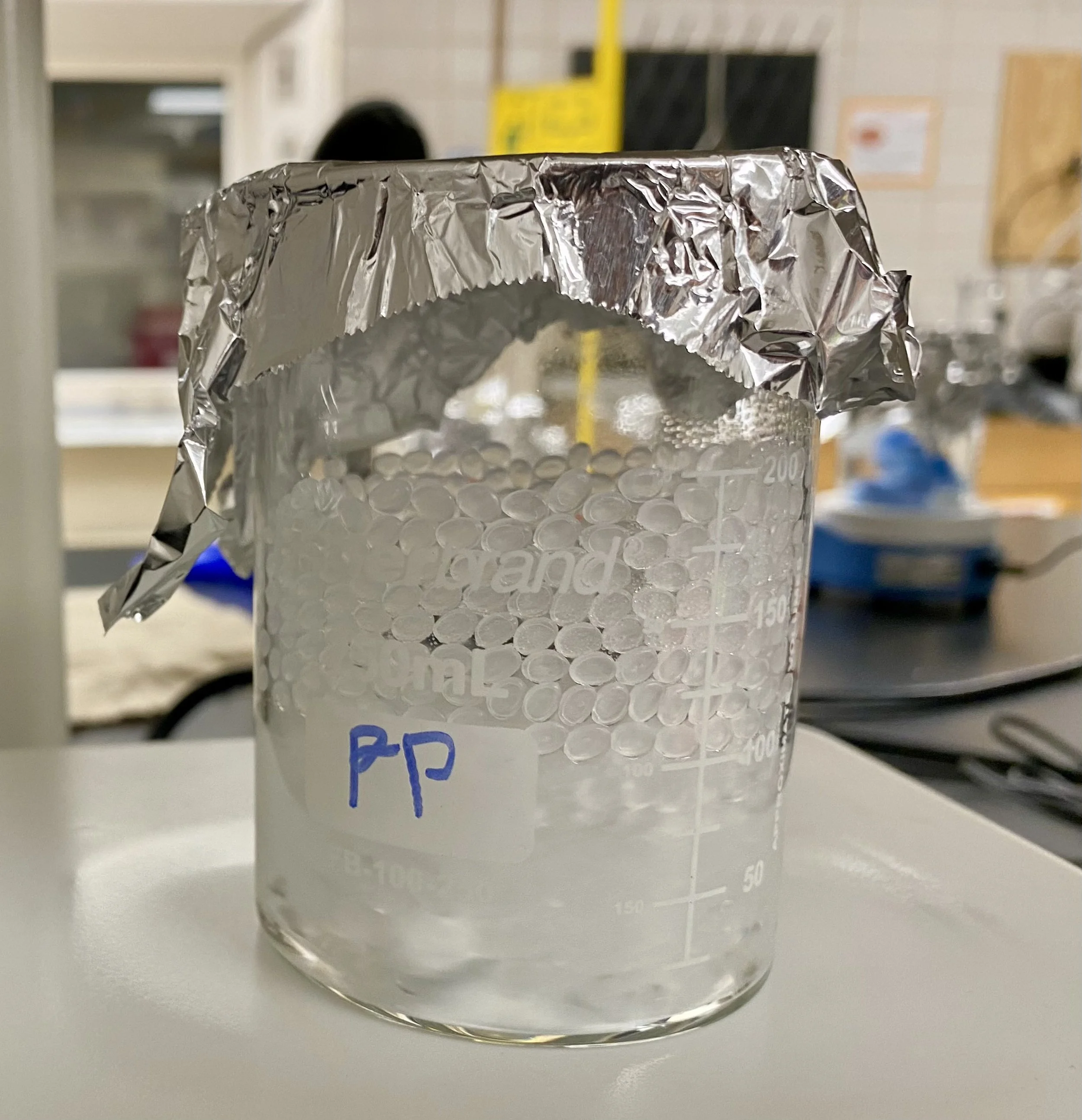
Enviromental microplastics have many shapes, sizes, and polymer types. We explore controlled methods of forming environmentally relevant microplastics and nanoplastics in the lab through mechanical abrasion of textiles and particles. We develop methods to characterize the particles and label them for microscopy experiments.
Forming and characterizing microplastics
We recently developed actin tactoids into a minimal model system that captures the key aspects of mitosis—self-organized center finding and division—using just four protein components! We are interested in how geometry, enzymatic activity, and material properties control self-organization of nanostructures in anisotropic droplets.
Schwarzendahl et al., Phys. Rev. Research, 3 (4): 043061 (2021) link
Ludwig et al., J. Chem. Phys. 152 (8): 084901 (2020) link
Weirich et al., PNAS, 116 (23): 11125-11130 (2019) link
Self-organization in active materials

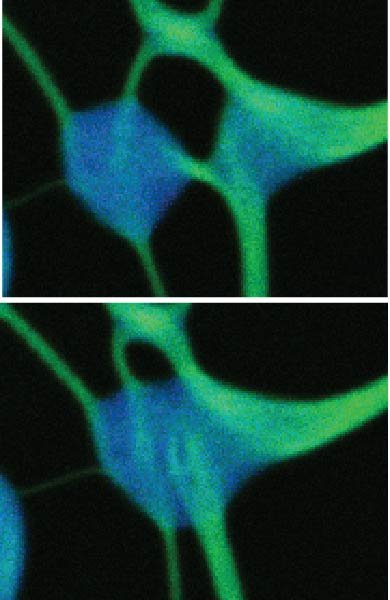
We are interested in methods of how biopolymer filaments self-assemble into microstructures. We investigate mechanisms of filament bundling, network formation, and network remodeling induced by biopolymer condensates. We found that condensates can adsorb to biopolymer filaments and spread like liquid droplets on fibers. These condensates bundle filaments through capillary bridges, and can induce network remodeling through coalescence.
Feigeles et al., Soft Matter, 21: 7872-7880 (2025) https://doi.org/10.1039/D5SM00508F
Andrews et al., J. Phys. Chem. B (2025) https://pubs.acs.org/doi/10.1021/acs.jpcb.4c07282
Capillary bundling and network remodeling
Microplastics are ever-growing environmental concern, we are interested in how microplastics incorporate in and interact with biopolymer materials.
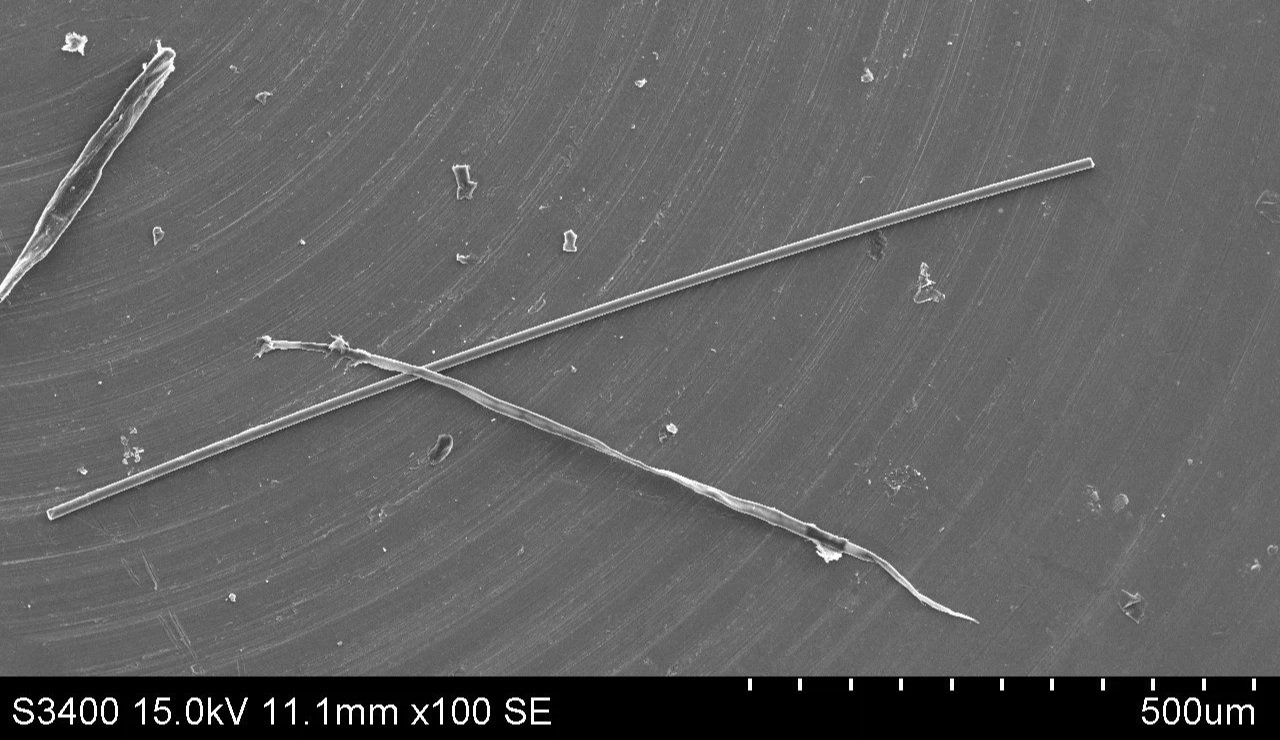
Microplastics and biomaterials
Complex mixtures of dense macromolecules have rich phase behavior. We are particularly intrigued by mixtures of biopolymers with very different rigidities. We investigate phase separation, liquid crystal formation, and how stresses propagate and relax in these complex fluids.

Phase separation in biopolymer mixtures
Some more research interests
Liquid condensed phases of macromolecules, from membraneless organelles to coacervates, are accelerating research areas in fields as diverse as cell biology and soft matter. We are particularly fascinated by droplets made of biopolymer filaments, actin, which have anisotropy that derive from the filament shape. These anisotropic liquids, called liquid crystals, form spindle-shaped droplets known as tactoids. This the most microscopic and scientific Clemson football! Among many things, we are interested in how the microstructure and composition influences the material properties of these intriguing liquid crystals
Weirich et al., PNAS, 114 (9): 2131-2136 (2017) link
Scheff et al., Soft Matter, 16 (24) 5659-5668 (2020) link

Biopolymer liquid crystal condensates

Active, shape changing materials
Biological polymers in the cytoplasm and nucleus exist in densely crowded environments. We are developing new systems to investigate polymers in nanoconfinement, where the polymer dynamics and associated biophysical processes may have different behavior than in the absence of confinement.
Inspired by molecular liquid crystals, where interactions with colloid inclusions can drive changes in the liquid crystal structure, we investigate colloids interactions with biopolymer tactoids. Using “active” colloids from biology, we recently created composite droplets which divide themselves into two equal droplets. We are interested in elucidating physical mechanisms that underlie shape change in confined, nano-structured materials such as composite and active droplets.
